
 Insights & Tips
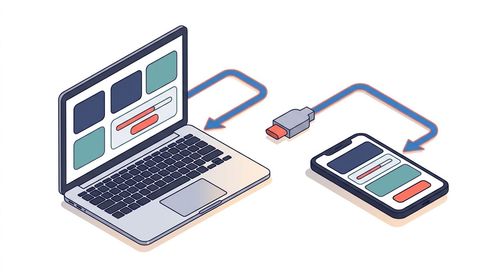
AI Apps to Build Without Coding: 10 Useful Ideas in 2026
Ten practical no-code AI app ideas for companies, the criteria for choosing a tool, and the signals that it is time to build custom.
KreanteAugust 8, 2026Read the article
Discover strategies for avoiding assumptions, building trust, and leveraging effective tools to streamline collaboration and deliver successful projects. This article delves into the role of communication in managing complex tasks, fostering team alignment, and achieving client satisfaction in the dynamic world of project management.

Published on December 9 2024
By Marianella Saavedra Terkes · 9 minute read
In the world of NoCode development, assumptions can be the biggest threat to project success. As a Project Manager at Kreante, I’ve learned that what seems like a simple request often harbors hidden complexity. Allow me to share how we navigate this challenge through clear communication and thorough requirement gathering to ensure alignment with business strategies and needs.
Effective project communication is the backbone of successful project management. It involves the seamless exchange of information, ideas, and messages between all project stakeholders, including team members and customers. This continuous flow of information ensures that everyone involved remains informed, engaged, and aligned with the project’s objectives, scope, and timeline. Without clear communication, even the most meticulously planned projects can tumble, leading to misunderstandings, delays, and ultimately, failure. Effective communication fosters a collaborative environment where ideas can be shared openly, challenges can be addressed promptly, and solutions can be developed collectively. It also plays a crucial role in managing expectations, resolving conflicts, and mitigating risks, ensuring that each party understands their roles, responsibilities, and the project’s goals. By prioritizing clear communication, project managers can create a cohesive environment where tasks are executed efficiently, contributing significantly to the overall success of the project.
Clear communication is a fundamental practice in project management, crucial for avoiding misunderstandings, misinterpretations, and errors among all parties involved. It fosters trust, credibility, and rapport between team members and stakeholders, which are vital for achieving project success. Effective communication enhances collaboration, coordination, and problem-solving, all of which are key to the successful completion of projects. Moreover, it plays a significant role in managing expectations, resolving conflicts, and mitigating risks. When every party understands their roles, responsibilities, and the project’s objectives, it creates a cohesive environment where tasks are executed efficiently and effectively.
When a client says, “We need a chat feature,” it might seem straightforward, but experience has taught me that such requests often harbor layers of unexpressed requirements that need thorough exploration. This is where detailed documentation becomes crucial, capturing every nuance to ensure no aspect is overlooked. A chat feature, for example, could encompass a range of functionalities including user authentication systems to secure access, message history requirements for retrieving past conversations, file sharing capabilities to enhance collaboration, notification preferences to keep users informed, privacy settings to protect user data, mobile responsiveness to ensure seamless access across devices, etc. Each of these elements demands careful consideration and integration to create a comprehensive solution that aligns with the client’s vision and business objectives. By delving into these requirements, project managers can effectively manage expectations and deliver a robust, user-friendly chat feature that meets the client's needs and enhances the overall project success.
At Kreante, we've developed a systematic approach to eliminate assumptions:
Scheduled meetings create dedicated spaces for detailed discussions and clarifications, allowing project managers to delve into the nuances of each request and ensure that all stakeholders are aligned with the project objectives. These meetings provide an opportunity to address any potential misunderstandings or assumptions early on, thus preventing issues that could arise later in the project lifecycle. Using communication apps like Slack for immediate communication helps maintain constant dialogue between formal meetings. These apps facilitate real-time interactions, enabling team members to quickly resolve queries, share updates, and collaborate effectively, which is crucial for managing complex projects. By combining scheduled meetings with continuous communication through digital platforms, project managers can foster a collaborative environment that supports the seamless execution of tasks and enhances overall project success.

We utilize tools like Notion to maintain comprehensive project documentation. Every decision, requirement, and specification is meticulously recorded and made easily accessible to all stakeholders involved in the project. This centralized approach facilitates seamless collaboration and ensures that everyone is on the same page, reducing the risk of miscommunication and errors.
In managing projects, the importance of comprehensive documentation cannot be overstated. It plays a vital role in ensuring organization and quality by providing a clear record of all actions, decisions, and changes made throughout the project lifecycle. This level of detail is crucial for maintaining consistency and accountability within the team, as well as adhering to established methods and standards. By prioritizing thorough documentation, project managers can effectively manage expectations, enhance communication, and ultimately contribute to the successful completion of complex projects.

Never assume you understand the full scope of a request. As a project manager, you are the key person responsible for asking detailed questions to ensure all aspects of the project are covered comprehensively. This involves delving into the expected functionality of the project, which includes understanding what the client envisions as the result and how it should operate. User interactions are another critical area, requiring clarity on how users will engage with the product or service, ensuring a seamless experience. Integration requirements must also be explored, determining how the new project will interact with existing systems or tools, which is essential for smooth operations. Additionally, performance expectations need to be clearly defined, as they dictate the efficiency and speed of the project in real-world scenarios. Lastly, security needs cannot be overlooked, as they are pivotal in protecting data and ensuring compliance with relevant regulations. By thoroughly addressing these areas, project managers can mitigate risks and set the foundation for successful project execution.
We know project managers play a crucial role in ensuring effective communication in projects. They must possess excellent communication skills, including verbal, written, and interpersonal skills. Project managers must be able to communicate clearly, concisely, and persuasively to various stakeholders. Their ability to convey information accurately and listen to feedback is vital in managing projects, especially complex projects that involve multiple moving parts and diverse teams.
Effective project managers possess several characteristics that enable them to communicate effectively. These include:
Communication planning is an essential part of project management. It involves identifying the communication needs of stakeholders, developing a communication plan, and initiating communication with stakeholders. A well-thought-out communication plan ensures that the right information is delivered to the right people at the right time. This proactive approach helps in keeping everyone informed and engaged, reducing the chances of miscommunication and ensuring that the project stays on track.
Initiating a project with clear communication is critical to set the tone for the project. Project managers must ensure that all stakeholders are informed about the project’s objectives, scope, timeline, and budget. They must also establish clear communication channels, protocols, and expectations to ensure that stakeholders are engaged and aligned with the project’s goals. By setting these foundations early, project managers can create a transparent and collaborative environment, paving the way for a successful project execution.
By following these guidelines, project managers can ensure effective communication in their projects, which is critical to project success.

Clear communication isn’t just about gathering requirements — it’s about preventing future issues. At Kreante we:
Implementing a strategic approach like project portfolio management (PPM) can further prevent issues across multiple projects by enhancing efficiencies, improving success rates, and mitigating risks within a structured framework.
Our project management toolkit is designed to enhance communication and streamline resources effectively, ensuring seamless project execution. Our project management toolkit includes several essential tools that support clear communication and streamline resources effectively, here are some examples:
Together, these project management software tools play a crucial role in facilitating communication, improving collaboration, and managing resources effectively. They ultimately contribute to the success of complex projects by ensuring that every team member is aligned with the project goals and objectives. Together, these project management software tools play a crucial role in facilitating communication, improving collaboration, and managing resources effectively. This ultimately contributes to the success of complex projects by ensuring that every team member is aligned with the project goals and objectives.

Effective requirement gathering is an art that combines the development of distinct technical skills crucial for effectively gathering and documenting requirements. This process involves active listening, where project managers pay attention not just to what is explicitly stated, but also to what might be implied or assumed. Strategic questioning plays a key role, as it involves crafting questions that uncover hidden requirements and expectations, ensuring that no detail is overlooked. Regular validation is equally important, as it consistently verifies understanding through documentation and feedback, allowing for adjustments to be made as necessary. By honing these skills, project managers can create a foundation of clear communication and understanding, which is essential for successful project execution. This approach helps in managing complex projects and ensures that the final deliverables align with the client's expectations and business objectives, ultimately contributing to the project's success.
Clear communication helps manage expectations by:
In the context of businesses, formal processes are crucial for managing expectations effectively, ensuring that budgetary and performance goals are met.
Despite best efforts, assumptions can still affect projects, but addressing them proactively is essential for success. The key is to identify assumptions quickly, addressing them openly with all stakeholders involved. This involves creating a culture of transparency where team members feel comfortable discussing potential misconceptions or misunderstandings. Once identified, document the clarifications thoroughly to ensure everyone is on the same page, and adjust plans accordingly to align with the project's objectives. In public projects involving government entities, managing assumptions can be particularly challenging due to the complexity and scale of these projects. These projects often involve multiple stakeholders and intricate processes, which can lead to a higher risk of assumptions creeping in unnoticed. Therefore, it is crucial to establish robust communication channels and maintain comprehensive documentation to navigate these challenges effectively. By doing so, project managers can mitigate risks, enhance collaboration, and ultimately contribute to the successful completion of complex projects.

Moving beyond assumptions is key to creating stronger projects and achieving long-term success. By fostering trust through transparency, project managers can significantly reduce misunderstandings and establish clearer project scopes. This clarity not only facilitates the delivery of more accurate solutions but also ensures that the final product or service aligns with the client's expectations and needs. Delivering a unique and well-defined product or service is crucial for securing client satisfaction and fostering ongoing business relationships. In the realm of project management, especially for complex projects and those involving government agencies, addressing assumptions early on can prevent potential pitfalls and set the stage for successful project execution. By prioritizing open communication and thorough documentation, project managers can navigate the complexities of managing projects effectively, ensuring that all stakeholders are aligned and informed throughout the project's lifecycle.
Thorough documentation serves as:
In NoCode development, success depends on clear communication more than technical expertise. At Kreante, we've found that moving beyond assumptions through systematic communication and documentation creates stronger projects and happier clients.
Remember: The question you don't ask could be the assumption that derails your project. Always verify, document, and communicate clearly.
Go further
Don't let your tech watch stop here. Explore our other resources to master your technology stack.
Insights & TipsTen practical no-code AI app ideas for companies, the criteria for choosing a tool, and the signals that it is time to build custom.
 Insights & Tips
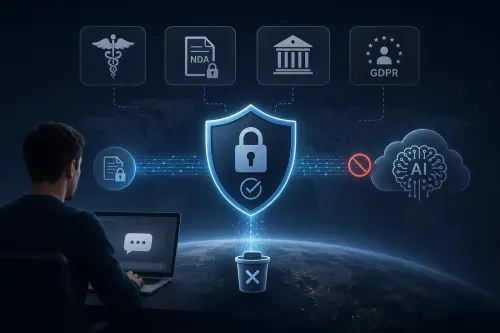
Zero Data Retention guarantees your data is never stored after AI processing. Framework to decide when you need it plus a comparison of Anthropic, OpenAI/Azure, Mistral, OpenRouter, LLM Bay and Infomania.
 Insights & Tips
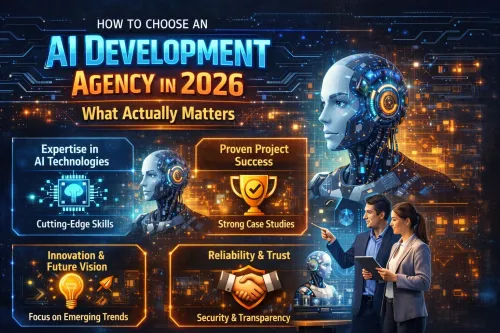
5 steps to vet an AI development agency before you sign: live portfolio, tech stack certifications, realistic timelines, post-launch terms, and pricing benchmarks from 265+ projects.