
 Insights & Tips
Beyond Assumptions: Mastering Clear Communication in Project Management
In the world of NoCode development, assumptions can be the biggest threat to project success
KreanteJuly 17, 2026Read the article
In the realm of NoCode development, the rapid pace and ease of crafting custom applications can sometimes overshadow one of the most crucial aspects of successful software delivery
Published on February 13, 2025
By Marianella Saavedra Terkes · 8 minute read

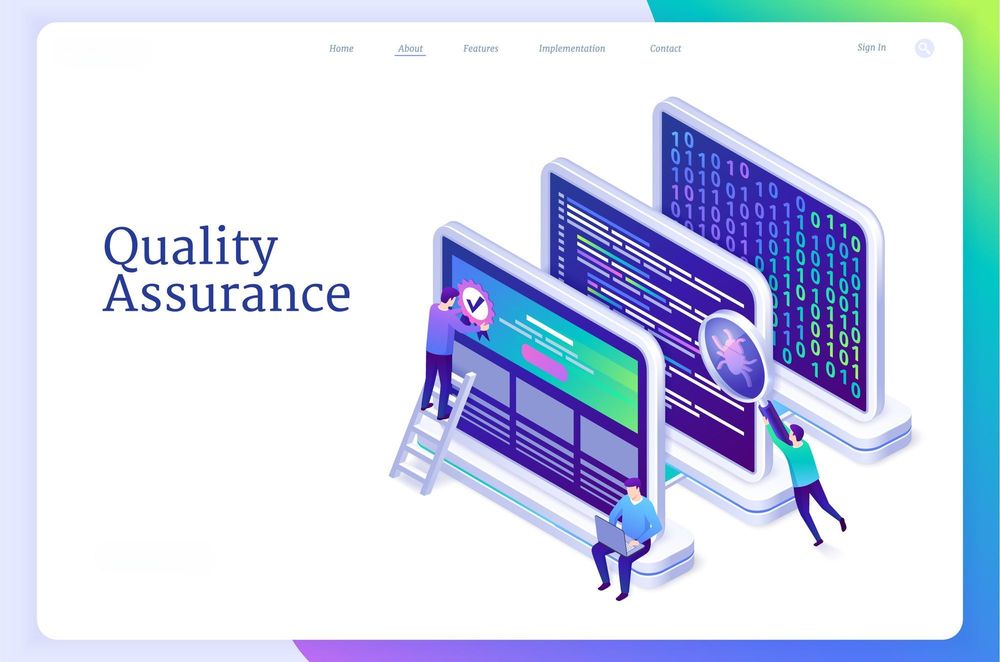
In the realm of NoCode development, the rapid pace and ease of crafting custom applications can sometimes overshadow one of the most crucial aspects of successful software delivery: Quality Assurance (QA). While NoCode platforms and tools make development more accessible, the concept of proper testing remains fundamental to ensuring reliable, user-friendly custom applications that meet business objectives. By integrating innovative testing ideas and methodologies, companies can enhance their QA processes to align with business goals and ensure that their applications deliver real value.
Quality Assurance in NoCode development extends far beyond just checking if an application functions correctly. It embodies a principal strategy aimed at ensuring that apps not only operate as designed but also deliver a seamless user experience and fulfill business requirements. This comprehensive process demands dedicated time, specialized expertise, and a well-structured approach that many organizations tend to underestimate. By focusing on these aspects, companies can ensure their products are not only technically sound but also aligned with their business vision and user expectations. This involves a meticulous review of all potential scenarios, customized testing strategies, and a continuous commitment to quality that integrates seamlessly into the development process. Such a practice not only guarantees the security and reliability of the application but also enhances its overall value and impact in the competitive digital world.
There's often a misconception that NoCode development requires less rigorous testing because the no code platforms and apps themselves handle many technical aspects. However, the reality is quite different. NoCode platforms and applications still need thorough testing across multiple dimensions: functionality, user experience, data handling, and business process validation.
Professional QA involves much more than clicking through features to see if they work. It requires understanding the business context, anticipating user behaviors, and systematically validating both expected and unexpected usage patterns. This comprehensive approach helps identify potential issues before they impact end users.

At Kreante, we've developed a structured QA process that ensures thorough testing of every application we deliver. A distinctive aspect of Kreante and our approach is our comprehensive pre-testing analysis phase. During this crucial step, our QA team conducts detailed scenario mapping, where we analyze and document all potential use cases, edge cases, and possible user interactions. This proactive approach helps us identify potential issues before they occur and ensures we test beyond just the basic functionality.
Our dedicated QA team then approaches testing systematically, starting with understanding the core business requirements and user expectations. We create extensive test matrices based on our scenario analysis, ensuring we cover not just the obvious test cases, but also complex scenarios that might not be immediately apparent. This foundation allows us to create comprehensive test scenarios that cover both the happy path (expected user behavior) and the unhappy path (edge cases and potential errors).
For example, when testing a form submission process, we don't just verify that the form works with valid inputs. Our pre-analysis helps us identify and test scenarios like partial form completion, different data type combinations, browser refresh scenarios, and various other potential user interactions that could impact functionality.
Testing the happy path involves validating that all features work as intended under normal circumstances. However, equally important is testing the unhappy path – examining how the application handles unexpected inputs, error conditions, and edge cases. This dual approach ensures applications remain stable and user-friendly even in challenging situations.
Quality Assurance requires dedicated time within the development process. While it might be tempting to rush apps through testing to meet deadlines, investing proper time in QA ultimately saves resources by identifying and addressing issues early. Our experience shows that comprehensive testing can prevent costly fixes and maintain user satisfaction after launch.
The QA phase typically requires about 20-30% of the total project timeline. This investment pays dividends through reduced post-launch issues, higher user satisfaction, growth and lower maintenance costs. It's not just about finding bugs; it's about ensuring the next developed application delivers real value to its users.

Quality Assurance is inherently collaborative. At Kreante, we believe in a team approach where our QA specialists work closely with developers and project managers throughout the development process. This collaboration ensures that quality is built into the application from the start, not just checked at the end.
One unique aspect of our QA process involves partnering with our clients in the testing phase of development. After our internal QA team completes their comprehensive testing, we engage clients in User Acceptance Testing (UAT). This partnership is crucial because clients bring invaluable domain expertise and real-world usage perspectives to the testing process.
We provide clients with structured testing guidelines and support them throughout their testing phase. This collaborative approach ensures that the application not only meets technical quality standards but also aligns our vision perfectly with business needs and user expectations.
Quality Assurance encompasses more than functional testing. Our comprehensive approach includes:
Business Process Validation Testing ensures that the application accurately reflects and supports intended business processes. This involves validating workflows, data flows, and business rules implementation.
User Experience Testing We evaluate the application's usability, ensuring intuitive navigation and clear user flows. This includes testing across different media, devices and scenarios to ensure consistent experience.
Data Integrity Testing Thorough validation of data handling, including proper storage, retrieval, and processing of information, ensuring accuracy and reliability.
Understanding the scope and importance of QA helps businesses set realistic expectations for project timelines and resources. Quality Assurance isn't a box to check; it's an integral part of the development process that requires proper planning and execution.
The benefits of thorough Quality Assurance become evident in several ways:
Quality Assurance doesn't end with the initial launch. It is a continuous and dynamic process that evolves alongside the application itself. As applications grow and adapt to new technological advancements or user demands, ongoing testing becomes crucial to maintaining reliability and performance. This commitment to continuous quality involves regular updates to testing protocols and methodologies to reflect the latest industry standards and technological innovations. By embracing this iterative approach, businesses can ensure their applications remain robust, secure, and user-centric, effectively responding to the ever-changing digital environment. This ongoing dedication to QA not only preserves the application's value over time but also empowers companies to swiftly address emerging challenges, optimize user experiences, and align with evolving business goals.
At Kreante, our structured QA process, dedicated testing team, and collaborative approach ensure that your NoCode applications meet the world the highest quality standards. We understand that quality isn't just about finding issues – it's about delivering applications that provide real value to users and businesses.
Let our team show you how professional Quality Assurance can enhance the quality of your NoCode development projects.
Go further
Don't let your tech watch stop here. Explore our other resources to master your technology stack.
Insights & TipsIn the world of NoCode development, assumptions can be the biggest threat to project success
 Insights & Tips
Discover 10 tips to become a NoCode freelancer, from embracing the nocode approach to offer specialized workshops and training.