
#01
Measure, by role
The same 20 questions to each person separately. We care about the disagreement between answers, because that gap tells us who to train and on what. Free, and yours to keep: take the AI maturity assessment.

We work alongside your team, on your actual processes, in your actual tools, until the new way of working is the normal way of working. Then we leave.
Delivered in English, Spanish and French

















AI training and enablement means teaching the people who already do the work to do it with AI, and then leaving them able to keep going without us. The goal is that you stop needing us.
Most AI training is a webinar. Everyone attends, everyone nods, and three weeks later the work looks exactly like it did before.
We do the opposite of a webinar. We work alongside your team, on your actual processes, in your actual tools, until the new way of working is the normal way of working. Then we leave.
This is the pillar most agencies skip, because teaching a client to do something is worse business than doing it for them forever. We think it is the only version that survives, because the alternative is a dependency that both sides eventually resent. A team that can adapt its own workflows when the tools change in six months is worth more than a workflow we built and you cannot maintain.
McKinsey reported in March 2025 that more than 80 percent of organisations using gen AI see no tangible impact on enterprise-level EBIT. The tools in those companies work fine. What is missing is the habit.
We saw the same thing in the field. In one 133-person company, Kreante ran a maturity assessment across five leaders before touching anything. Kreante's baseline came back at an average of 2.23 out of 5. But the useful number was not the average, it was the spread: operators scored their own maturity around 1.4 while managers scored it above 3. The people doing the work and the people deciding about the work had completely different pictures of the same company.
And one question got the same answer from all five: nobody knew which AI tools the company used or paid for. You cannot train a team on a stack no one can list.
The spread matters more than the average
AI maturity assessment, 133-person company, five leaders answering the same 20 questions separately.
Self-reported AI maturity score (out of 5)
All five respondents gave the same answer to one question: nobody knew which AI tools the company used or paid for.
That is why every engagement starts with the assessment rather than the curriculum.
The same 20 questions to each person separately. We care about the disagreement between answers, because that gap tells us who to train and on what. Free, and yours to keep: take the AI maturity assessment.
We sit with each function and map what they actually do, task by task. Not the org chart version. The version with the spreadsheet nobody mentions in meetings.
Generic prompt courses do not transfer. We build the exercises out of your work, so what people practise on Tuesday is what they do on Wednesday.
Every engagement names someone inside the company who carries it after we go. In the company above, that person emerged during discovery: an operations lead who was already building his own workflow before we arrived. We did not create the champion, we found him and gave him the mandate.
Same 20 questions, same people, some months later. That is the only honest way to know whether the training took.
Working with AI as a colleague rather than a search box. Where to keep a human in the loop and where not to. How to tell a task that should be automated from one that should be redesigned. How to write down what you know so an agent can use it. Which decisions must never leave a person. And what your data can and cannot be sent to.
The mix changes by role, which is the whole point. Finance needs to know what cannot be pasted into a public model. Operations needs to know which recurring judgement is stable enough to hand over and which is not. Leadership needs to know how to read a result nobody in the room produced by hand, and how to decide whether to trust it.
We do it in English, Spanish and French, which matters if your team is distributed.
We will not certify your team on a tool we have not used in production. We will not run a one-off keynote and call it enablement. And we will not train people around a process that is broken, because a well-trained team executing a bad process just gets to the wrong answer faster. If discovery shows the process is the problem, we will say so and point you at AI consulting first.
We will also not promise adoption we cannot measure. If nobody can name the number the training is supposed to move, the engagement has no finish line, and everyone involved will quietly agree that it worked.
Companies where the technology is not the blocker. You have tools, you may even have a pilot that worked, and adoption stalled anyway. Usually 50 to 500 employees, multi-location or distributed, where the head office and the field have drifted apart.
The buyer is typically the owner, the COO, or whoever just got handed transformation as a job title. What they tend to have in common is that they have already spent money on AI and cannot point to what changed because of it.
Who this is not for
If you need a compliance certificate rather than a change in how work happens, we are not the right firm.
| Deliverable | What it is for |
|---|---|
| Maturity baseline with the spread across roles | Shows who to train and on what, not just an average |
| A map of the real work by function | The version with the spreadsheet nobody mentions in meetings |
| Sessions built from your own processes | What people practise is what they actually do |
| A named internal owner with a written mandate | Someone carries it after we leave |
| Re-measurement against the original baseline | The only honest test of whether the training took |
The baseline and the re-measurement are the pair that matters. Everything else is the work that happens in between them.
Challenge
Stack
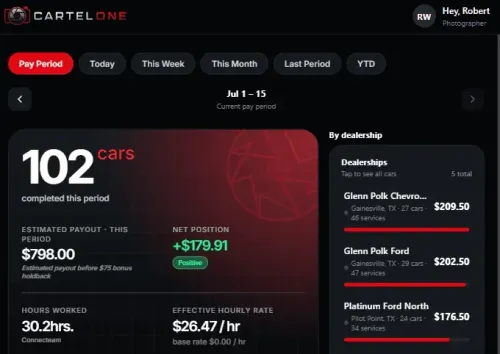
Performance and payroll management platform for AutoCartel field photographers.
Challenge
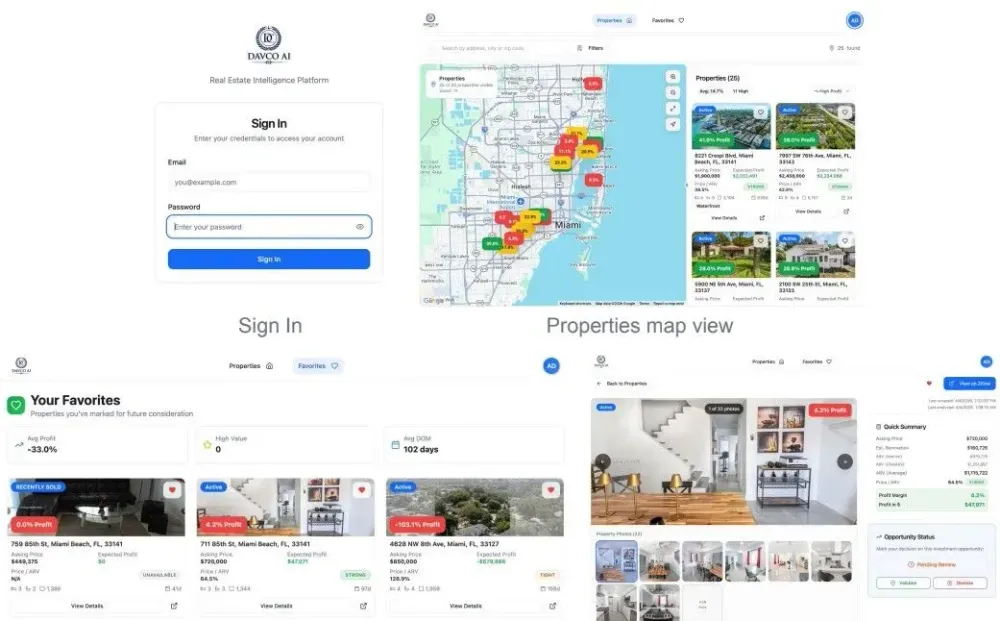
The platform ingests property data daily via Zillow scraping, runs AI-driven renovation cost and ARV estimates using OpenAI, and surfaces the highest-potential deals first. Users can review…
Stack
An AI-powered real estate intelligence platform built for a Miami-based investment team. DAVCO AI replaces manual Zillow filtering and spreadsheet-based calculations with an automated map interface that displays estimated profit margins across all active single-family listings in the Miami area.
Challenge
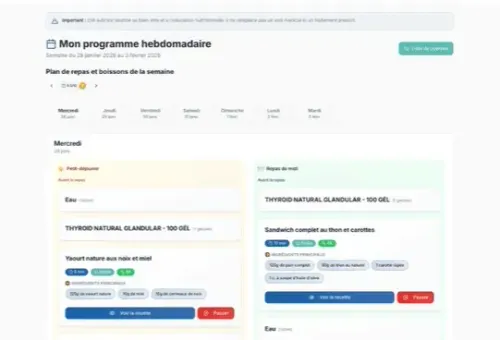
Patients leaving clinic checkups with a list of medical recommendations and lab results often had no clear, practical way to turn that information into daily meals, leading to poor adherence and high…
Stack
Kreante built REMI AI, a system that reads a patient's genetic and medical test results and automatically turns them into a personalized nutrition and supplement plan that gradually evolves over several months, with clinic staff reviewing every AI-generated interpretation before it reaches the patient.
Challenge
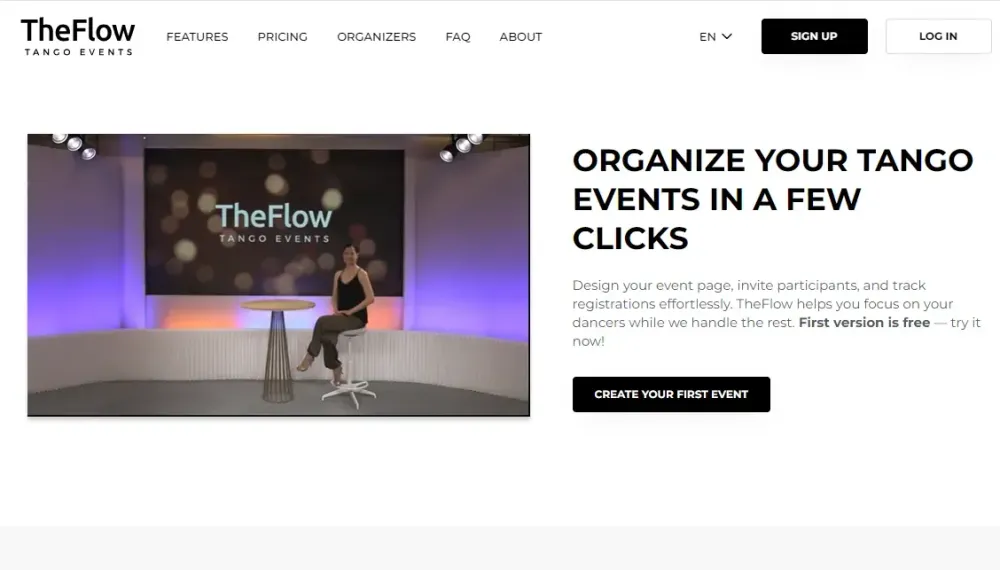
Tango event organizers across Europe were running everything manually — registrations, confirmations, payments, check-in. They needed one purpose-built platform to manage the full event lifecycle,…
Stack
TheFlow is a web platform built for tango event organizers in Europe. Kreante evolved it across multiple phases from a basic registration tool into a complete event management and ticketing product — covering event creation, participant management, waitlists, online payments, QR check-in, automatic invoicing, and an international tango event calendar.
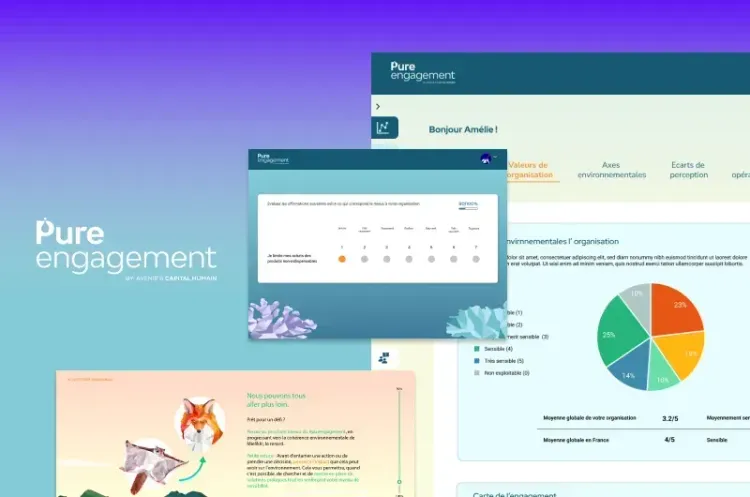
Challenge
Kreante developed a comprehensive platform for Pure Engagement using NoCode technologies. Built with Bubble for the frontend and Xano for the backend, this solution facilitates organizational…
Stack
Pure Engagement needed a platform capable of handling the complexity of organizational transformation, recognizing that success depends not only on structural change but also on people’s psychological and emotional transition.
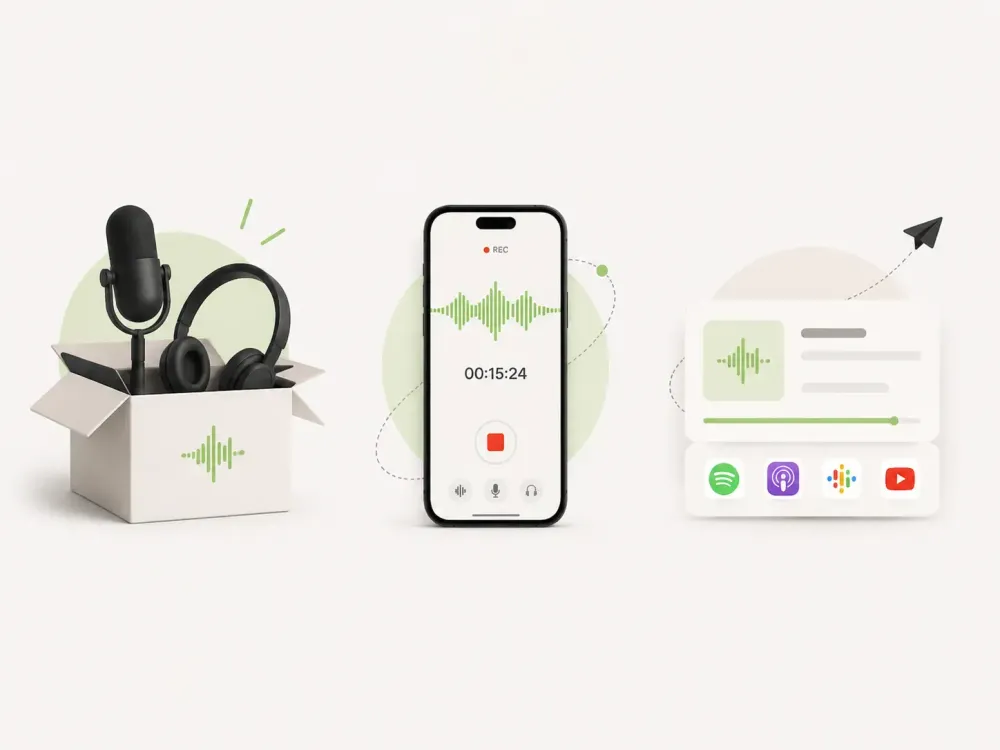
Challenge
Build an iOS app that turns iPhones plus an audio interface into a complete, professional podcast recording studio, capturing high-quality sound and video across several phones at once and keeping…
Stack
A mobile app that lets creators record, sync, edit, and export podcast audio and video using a dedicated interface and multiple iPhones working together as one studio.
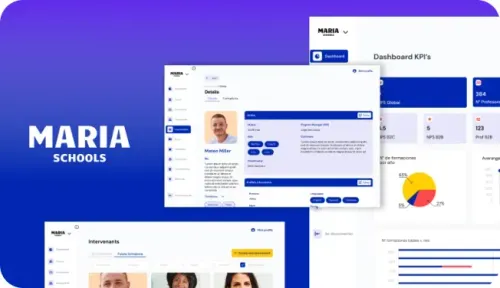
Challenge
Stack
In the evolving landscape of web development, choosing the right approach for custom software development is crucial.
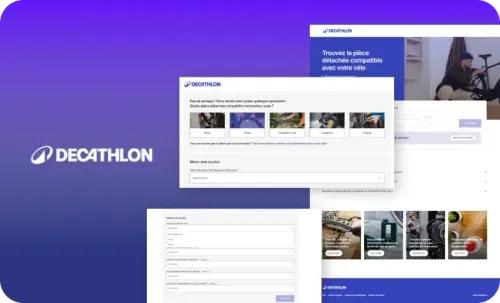
Challenge
Stack
In the sustainability-focused retail landscape, product repair and maintenance play a pivotal role in circular economy initiatives. Businesses are increasingly adopting innovative solutions to reduce waste and extend product life cycles.

Challenge
Stack
When Garde-Robe presented their innovative vision to make fashion more social and collaborative, Kreante, a leading LowCode agency, eagerly embraced the challenge.
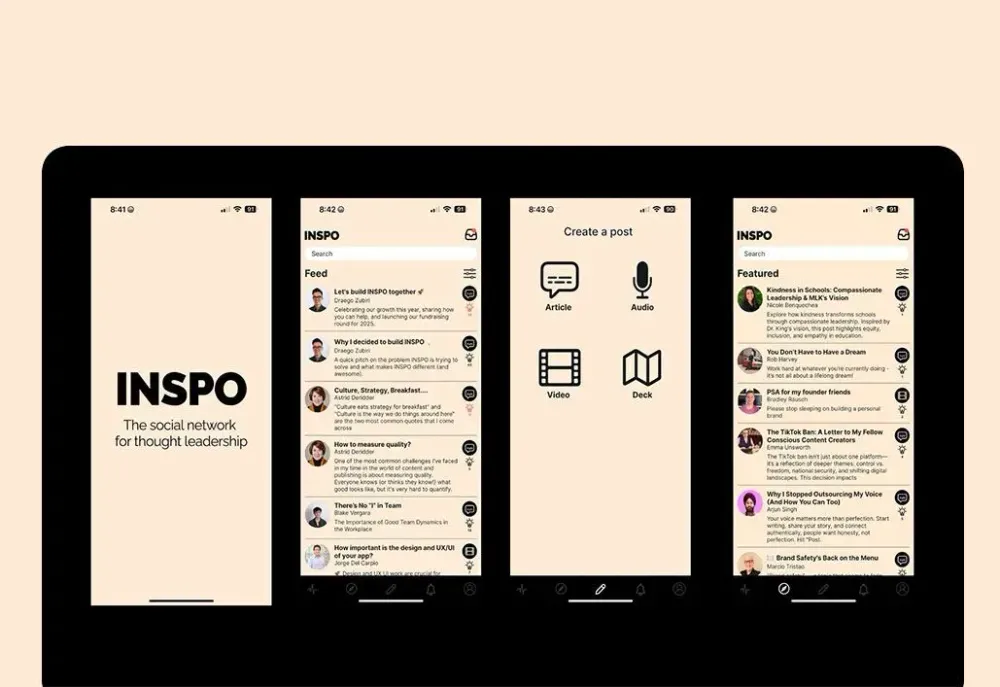
Challenge
When INSPO approached our LowCode agency with their vision of creating the definitive platform for thought leadership, we knew this project would push the boundaries of what’s possible with…
Stack
In the rapidly evolving landscape of LowCode development, creating sophisticated applications no longer requires months of traditional coding.
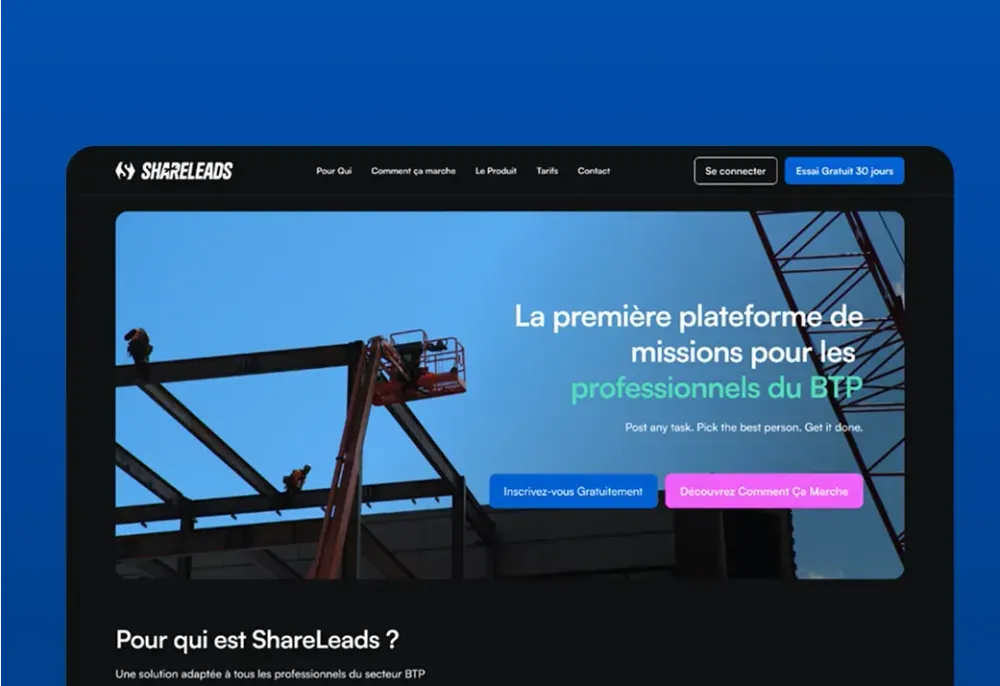
Challenge
Stack
Connect with verified construction professionals, find new projects, recruit subcontractors, and grow your business with ShareLeads' trusted B2B platform.
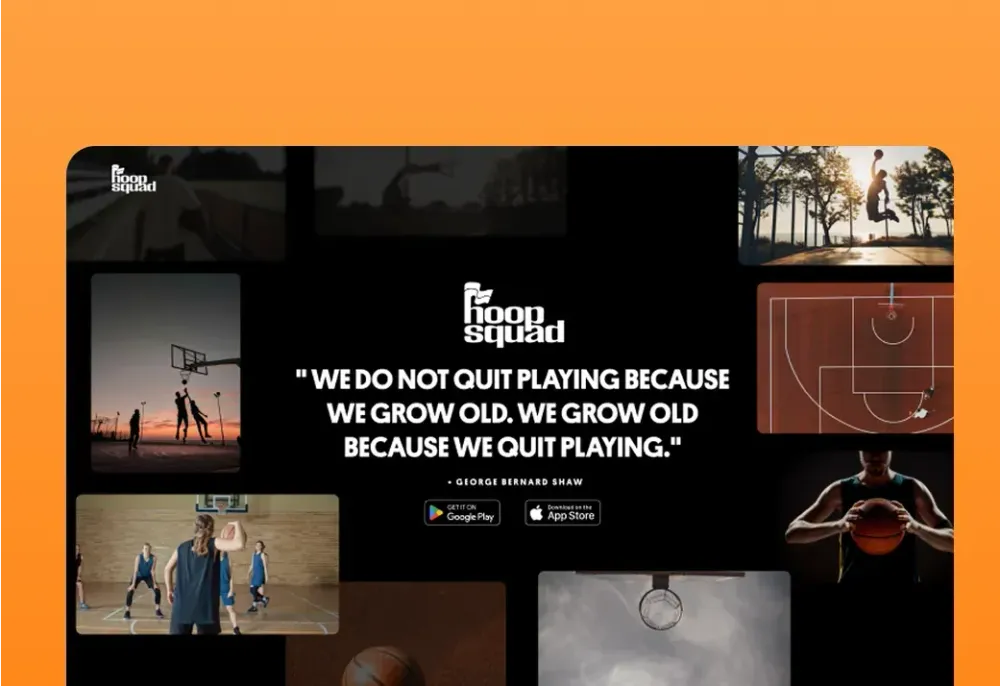
Challenge
The basketball community in Washington D.C. lived on courts and in scattered WhatsApp groups. What was missing: a place to give it visibility, bring more people together, find players at your…
Stack
What we built In 3 months, Kreante delivered all three platforms at once. The mobile app lets you find pickup games within a 10-mile radius, rate players to compete at the right level, track your progress, and meet up to watch games together. Two tiers: a free version and a premium subscription at $39.99/season — proof that the community is willing to pay to play better. For this kind of project, visual identity isn't just a detail — it's what creates the sense of belonging from the very first open. The entire branding was conceived and built by Kreante. The landing page was built to convert: a strong visual world, a clear message, one goal — trigger the download. The e-commerce store pushed the logic even further: unapologetic street style, rooted in DC culture, to rep your colors beyond the court. Launched at a Virginia tournament, HoopSquad is now live across 13 regions in the United States — on the App Store and Google Play.
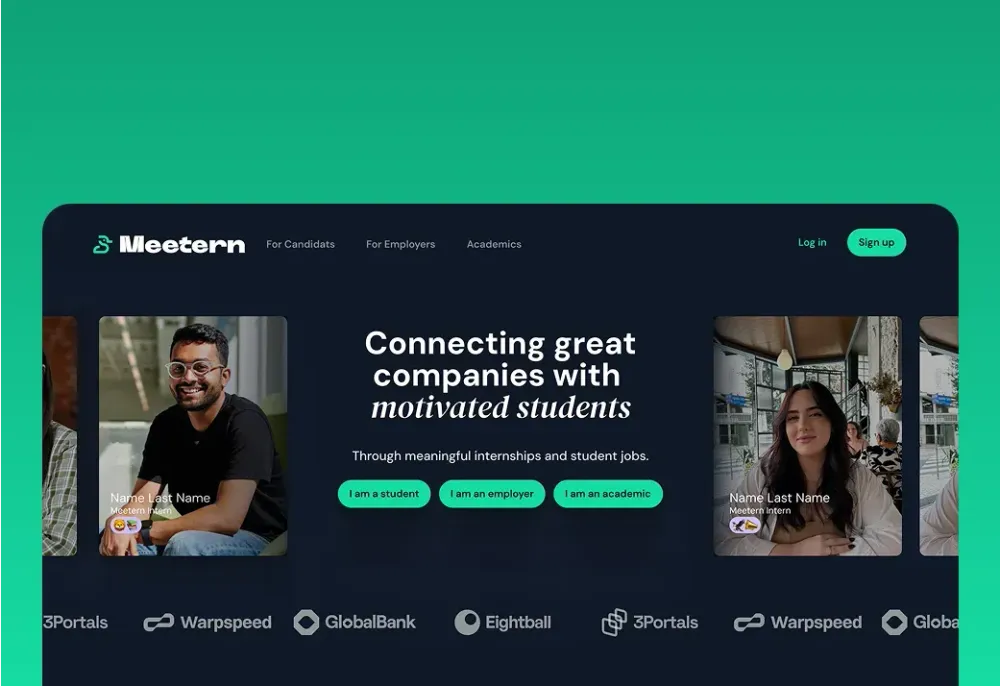
Challenge
The Meetern team had been connecting students and companies for years, through physical events. Many great encounters and opportunities later, they understood that to create real impact at scale,…
Stack
What we built Kreante designed and developed Meetern: a complete matchmaking platform, with three distinct interfaces for students, companies, and academic institutions. Students build their profile, apply, and track their applications. Companies post opportunities and receive intelligently matched profiles. Academic institutions monitor placements in real time. Across all three: integrated messaging and a matching algorithm that replaces manual introductions. The platform is multilingual, French and English at launch, Dutch on the way. A V1 delivered in 6 months, a V2 launched in March 2026 with extended language support. Today, 50 to 100 active users every day. And a team that no longer runs events, but a platform.
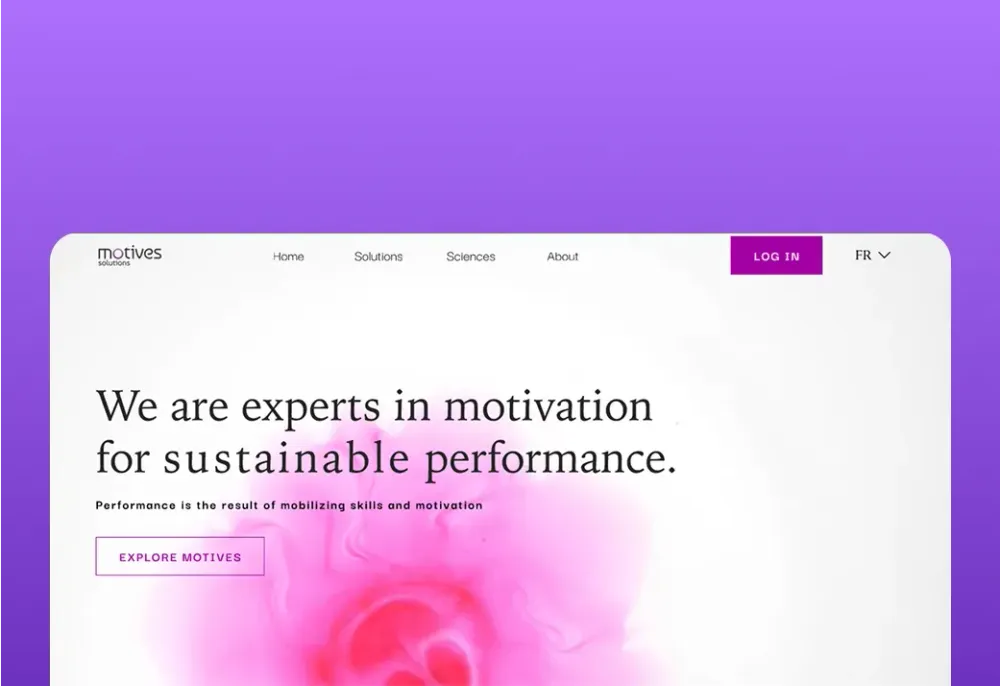
Challenge
Every manager knows a motivated team performs better. But motivation is invisible. And without understanding what truly motivates each person, engagement initiatives remain educated…
Stack
Kreante designed and developed Motives Solutions: a bilingual SaaS platform (FR/EN), from branding to application. Team members answer 3 anonymous questions. The app analyzes responses and generates a detailed report by motivational driver, for each individual, each team, each organization. Two modules: Motives TEAM for team-level insights, Motives ORGA for the full picture. Tracking is longitudinal: engagement evolution over time, visualized. Three questions. A clear picture of what truly moves a team forward. Measuring the invisible, so you can finally act on it.
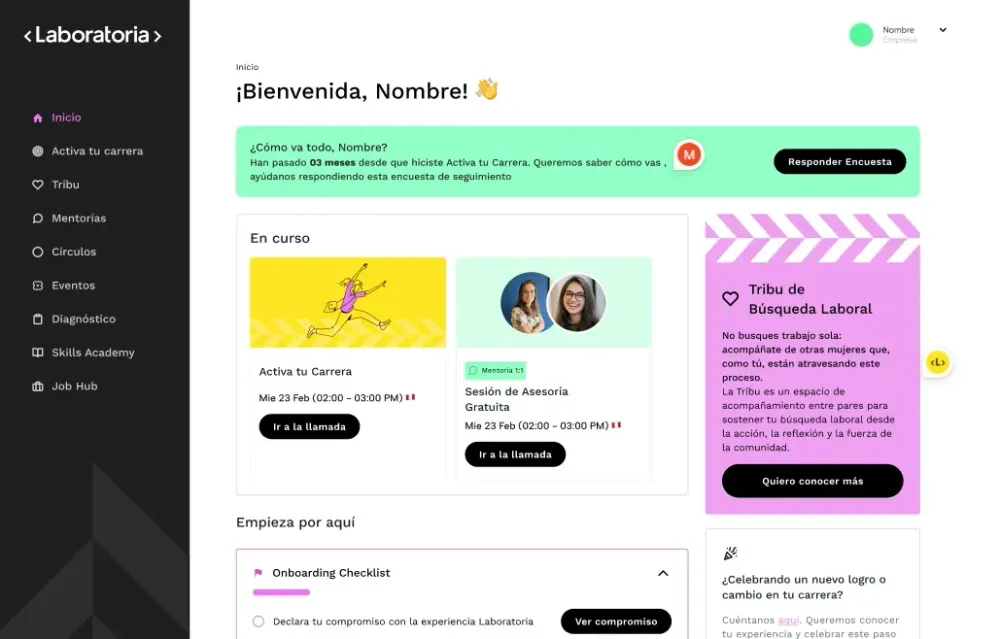
Challenge
After a decade training thousands of women for tech jobs, Laboratoria saw its graduates stall on the way to leadership: in engineering and product, only 52 women are promoted to management for every…
Stack
Laboratoria+ is the membership platform of Laboratoria, the Latin American organization that has helped more than 14,000 women access quality jobs in tech. Built with Bubble, it brings together live courses and learning circles, 1:1 career mentoring with a network of senior women executives, online and in-person events, and a free plan alongside paid Pro and Plus subscriptions.
Challenge
Stack
Transform your organization with ROC's secure hyperautomation platform. Orchestrate workflows, governance, and access management from a living organizational chart.
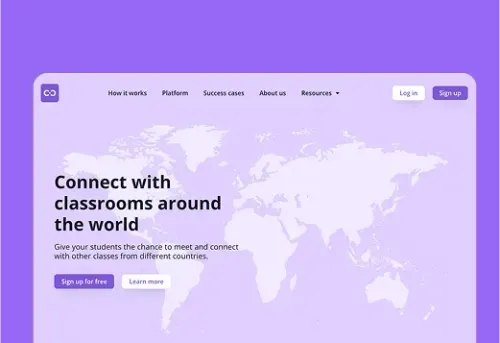
Challenge
Class2Class wanted any teacher in the world to find a partner class and run a real project together, but international collaboration in schools depended on personal contacts, scattered tools and…
Stack
Class2Class is a global learning community, based in Denmark, where teachers connect their classrooms to run real-world projects around the UN Sustainable Development Goals. Kreante rebuilt the web platform with Bubble and Xano — teacher profiles, class matching, project creation and collaboration spaces — and delivered the rebranding and landing page. The community now counts more than 25,000 teachers in 190+ countries.
Challenge
In Switzerland as across the world, independent cab drivers face the same reality: ride-hailing platforms that set the rates, impose the rules, and own the client relationship. Olivier Fouvy wanted…
Stack
SmartCab is built on a radical premise: for the end customer, nothing changes. No new app to download, no account to create, no interface to learn. They send a WhatsApp message to their driver, just as they always have. Behind that message, an entire machine kicks into gear: an AI engine processes the request, calculates the route, confirms the booking, and triggers invoicing — automatically. Everything an app does. Without the app. They send a WhatsApp message. The rest happens without them. For drivers, it means freedom regained: customizable pricing, a client relationship that belongs to them, no algorithm to appease to stay visible. For fleet operators, a dispatch module handles ride assignments and real-time driver tracking. Three subscription tiers: Lite, Pro, Premium — built for every profile. What SmartCab proves is that real sophistication doesn't announce itself. It's felt — in a booking that requires zero effort, in a relationship of trust that no one gets to monetize. Available on iOS and Android.
We find out what your current process costs before recommending anything, then hand you a roadmap ordered by certainty of mechanism.
See AI consultingAgents, automations and custom software that move a number you can name. We instrument the process first, and you own the code.
See AI implementationFrom the blog
Guides, comparisons and field notes from the projects we deliver.
 Development
Pilot AI coaching for one to three teams over 6 to 8 weeks, measure workflow KPIs, and demand embedded deliverables to keep skills in house.
 Tools
ToolsTransform your organization with AI coaching by blending human expertise and innovative tools. Discover strategic steps for effective implementation.
 Industry
How to evaluate an AI agency in Miami for a B2B project: technical delivery, consulting and coaching, team seniority, local anchoring and portfolio.
 Tools
ToolsSince 2024, we've been using AI daily at Kreante: in building every application, for all our clients. Today, whether or not the products we develop embed AI, the whole team benefits from our mastery of these tools.
 Tools
ToolsPick Lovable to get a hosted, Supabase backed live app fast. Pick Claude Design when engineering teams need code first prototypes and tighter code control.
 Development
Most AI automation projects show no measurable result. A Kreante project manager explains the sequence that works, with pricing and a real case study.
A service. There are sessions, but the deliverable is a change in how the work gets done, measured against the score you started with.
Usually weeks, not months, and it runs alongside normal operations rather than pulling people out of them.
Yes, and that is often the whole engagement. The most common finding is that a company owns capability it never learned to use. If training shows the tool genuinely cannot do what the work requires, that becomes an AI implementation conversation rather than a training one.
Yes. Our own team is fully remote across Latin America, Europe and the US, and we deliver in three languages.
That shows up in the assessment spread immediately, and it is a real answer. We have told clients that the training should start with the leadership team.
Same 20 questions, same people, later. Plus whatever operational number the training was supposed to move, which we agree on before starting.
Have your leadership team take the assessment separately and compare the answers. The spread will tell you more than the average, and it costs nothing. Then book a working session to go through what it showed.
Fully remote senior team across Latin America, Europe and the US. We deliver in English, Spanish and French.