What is the best tool to Create an E-commerce Site in 2025
Shopify, Webflow, and Bubble each take a different approach to e-commerce from plug-and-play storefronts to fully custom shopping experiences. This guide compares features, pricing, and use cases to help you pick the right platform.
Insights & Tips
KreanteApril 13, 20265 months ago
Published on February 8, 2025
By Sandra Zarate . 5 minute read
Need the best tool to create an e-commerce site? This guide will walk you through the top NoCode platforms for 2025. We'll cover options like Shopify, WooCommerce, and Webflow to help you find the perfect fit for your business.
Top NoCode Platforms for E-Commerce in 2025
The e-commerce landscape in 2025 is dominated by a few standout NoCode platforms that have proven to be game-changers for online businesses. Shopify remains a leading all-in-one e-commerce platform, known for its robust features and functionalities that cater to a diverse array of businesses. Shopify's dominance in the market is undisputed, as it empowers merchants to manage their entire retail operations from a single interface. Supporting both online and in-person sales, this platform serves as a versatile option for businesses aiming to expand their reach.
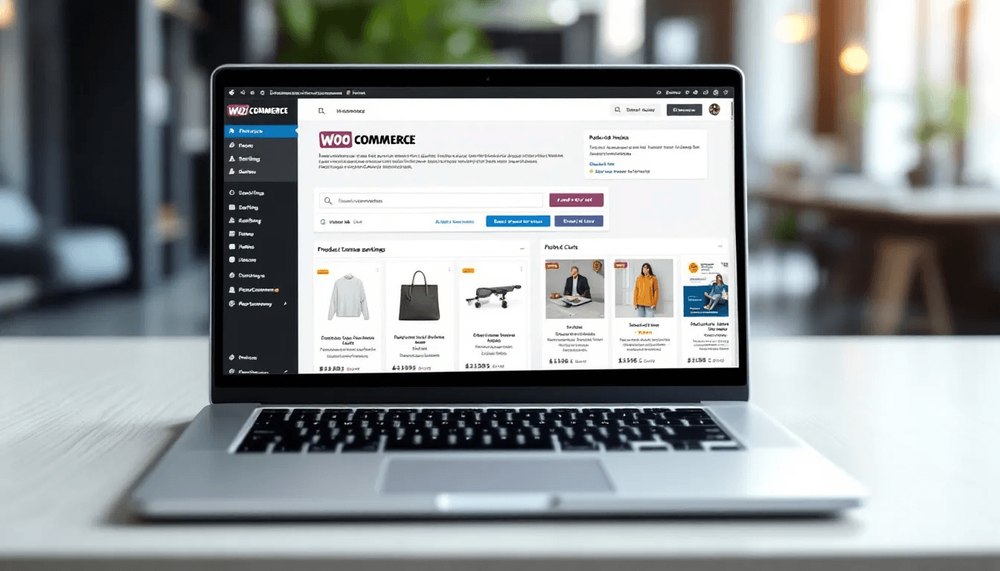
WooCommerce, another major player, is the most widely used e-commerce platform for WordPress, powering over 6.6 million stores. It seamlessly transforms a standard WordPress site into a fully functional online store, leveraging existing themes and functionalities.
Webflow, distinguished by its exceptional design capabilities and advanced visual development tools, offers a design-centric solution for those who prioritize aesthetics and user experience. Each of these platforms, along with others like Square, Ecwid, BigCommerce, and Wix, caters to different business needs, providing a range of options for entrepreneurs to choose from.
Why NoCode is Revolutionizing E-commerce
NoCode platforms have revolutionized e-commerce by eliminating traditional entry barriers, allowing anyone, including entrepreneurs without technical backgrounds, to build and customize their e-commerce platforms independently. This shift has democratized digital entrepreneurship, making it accessible to a broader range of people who can now participate in creating effective online stores without needing a development team. The powerful tools provided by NoCode platforms have transformed the way e-commerce sites are built, offering a visual and intuitive experience that empowers users to manage their stores efficiently.
NoCode tools are reshaping e-commerce by enabling entrepreneurs to quickly develop and deploy applications that meet specific business needs. Developers now enjoy greater control over projects, making real-time modifications and responding swiftly to market changes. As a result, these platforms are fostering innovation and enabling a more dynamic and responsive e-commerce environment.
Shopify: The All-in-One Commerce Platform
Shopify leads the e-commerce market with its comprehensive platform, enabling businesses to manage operations from a single interface. It supports both online and in-person sales, expanding business reach and maximizing sales. Key features include:
Multi-Channel Selling: Sell across online stores, physical locations, and social media, seamlessly integrating sales channels to boost online sales.
App Ecosystem: Access third-party apps for marketing, inventory management, and more, allowing for customization and enhanced functionality.
High-Converting Checkout: Optimized checkout process reduces cart abandonment and increases completed transactions with features like discounts and deals.
WooCommerce: WordPress Integration
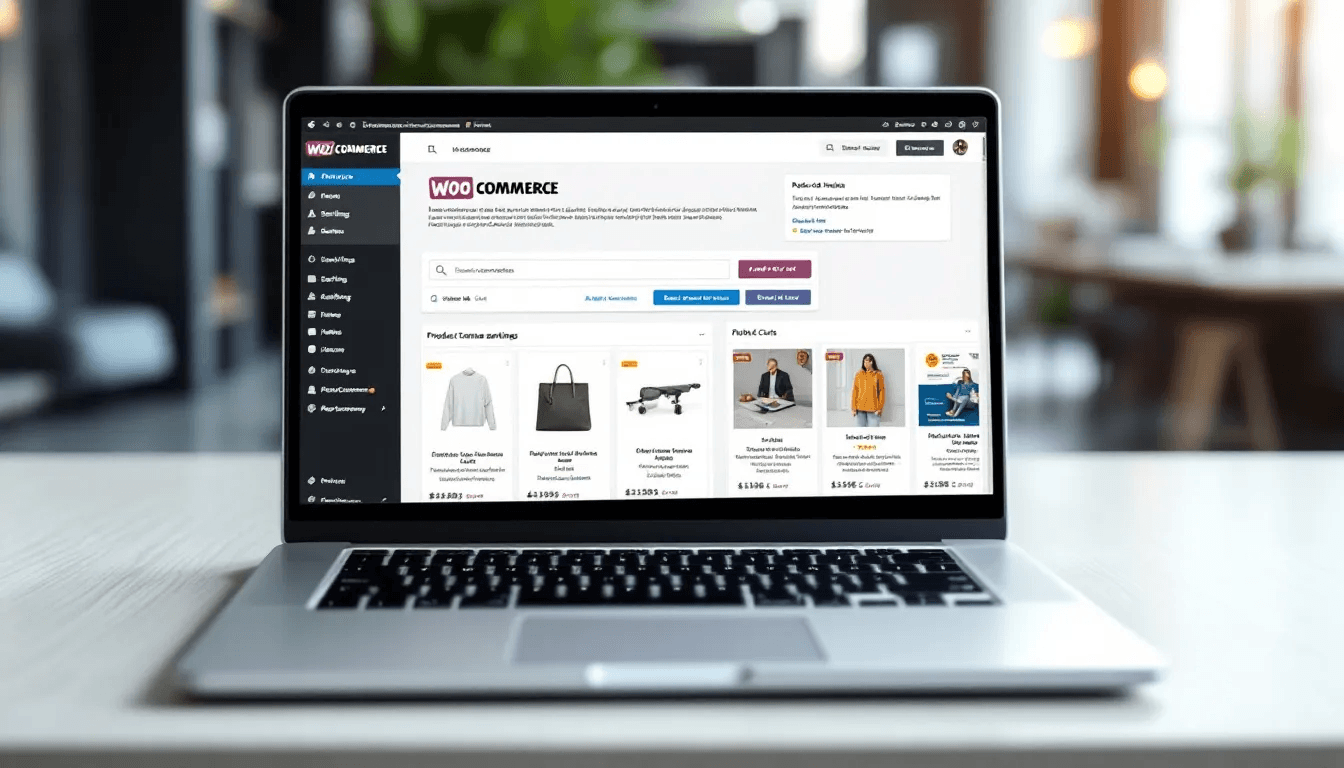
WooCommerce seamlessly turns a WordPress site into a full-fledged online store. It leverages WordPress's features and themes, offering a cost-effective and customizable solution. With extensive plugin support, businesses can easily add payment gateways, shipping options, and marketing tools to suit their needs.
Flexibility and Customization
WooCommerce's flexibility and customization options are unparalleled, allowing users to create tailored online stores that perfectly fit their brand. The platform's compatibility with various WordPress themes enables store owners to choose a design that matches their brand while maintaining full functionality.
Enhanced Functionality with Plugins
WooCommerce's extensive plugin library allows businesses to easily enhance their store with features like SEO tools and marketing integrations, boosting performance and customer experience.
Webflow: Design-Centric E-Commerce Solution
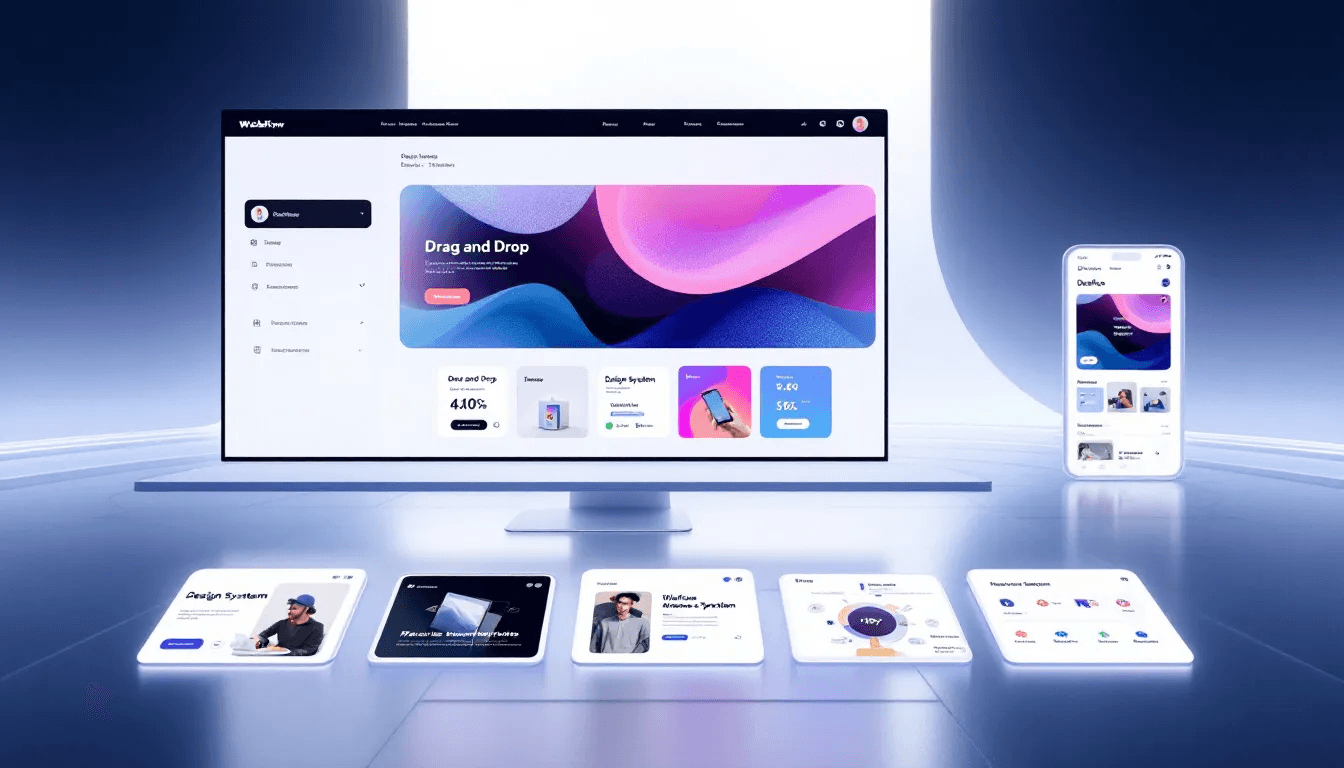
Webflow stands out for its design-focused e-commerce capabilities, offering:
Advanced Design Tools: Create stunning, unique sites with pixel-perfect layouts, animations, and responsive designs.
Customization: Tailor product information, variants, and shipping rules to reflect your brand identity.
Layout Control: Customize checkout pages, product fields, and email notifications for consistent branding.
Custom Interactions and Animations: Webflow enhances e-commerce sites with advanced animation capabilities, allowing custom interactions that respond to user behavior, thereby improving user experience and boosting satisfaction and conversion rates.
Webflow empowers businesses to deliver distinct e-commerce experiences that captivate customers and enhance engagement. You can see more about Webflow in our special blog section.
Key Considerations for Choosing an E-Commerce Platform
When selecting an e-commerce platform, consider these essential factors:
Budget: Opt for platforms like WooCommerce that integrate with WordPress without extra fees, except for payment processor charges.
Scalability: Ensure the platform grows with your business. NoCode tools offer an intuitive experience, simplifying store management for non-technical users.
User-Friendliness: Look for easy app integration through plugins/extensions. Robust analytics and vendor support aid in tracking growth and informed decision-making, with 24/7 assistance and clear service level agreements.
Integrating Payment Gateways and Managing Transactions
Seamless payment gateway integration is vital for e-commerce success. Webflow, Shopify and Woocomer partners with Stripe and PayPal, enabling secure transactions across various payment methods like credit cards, PayPal, Apple Pay, and Google Pay. This flexibility caters to diverse customer preferences, reducing cart abandonment.
Offering multiple payment options, including guest checkout and buy-now, pay-later services, removes barriers and boosts conversion rates.
Integrating these flexible payment solutions enhances customer experience and streamlines transaction management, ultimately driving higher sales and satisfaction
Enhancing Customer Experience with Customization
Customization is key to improving customer experience. Consider these strategies:
Stay on Product Page: Keep shoppers on the product page after adding items to the cart to enhance browsing and increase order value.
Product Attributes in Cart: Display attributes in the cart to reduce order mistakes and returns.
Simplified Payments: Use PayPal to allow payments without needing credit card details.
Analytics for Efficiency: Utilize analytics to streamline the ordering process and reduce delays.
Cross-Sell Opportunities: Include cross-sell sections in the cart to encourage last-minute purchases.
Real-Time Price Updates: Provide real-time updates of final pricing in the cart to prevent sticker shock.
Save-for-Later Option: Offer a save-for-later feature to re-engage customers and boost future sales.
Order Summary: Keep customers informed with an order summary throughout checkout.
Autofill Addresses: Use autofill for shipping and billing addresses to streamline checkout and reduce drop-offs.
Shipping Estimates: Provide estimated shipping and arrival dates to manage expectations and increase satisfaction.
Real-Time Shipping Rates and Order Tracking
Real-time shipping rates and order tracking are crucial for any successful online store. Real-time shipping allows online stores to instantly compute shipping costs, helping to reduce cart abandonment caused by unexpected charges.
A good e-commerce platform supports multiple shipping methods and carriers, offering various options to customers. Robust order tracking enhances customer satisfaction by keeping them informed about shipment status.
By integrating these features, businesses can deliver a superior customer experience and build trust with their customers.
Leveraging Data and Analytics for Growth
Leveraging data and analytics is crucial for the growth of e-commerce businesses. NoCode tools provide the flexibility to modify applications in real-time, allowing businesses to respond quickly to market changes and track key performance metrics. High-quality data is essential for accurate insights; businesses should ensure their data is clean and free of duplicates.
Kreante Agency's Expertise
Kreante Agency specializes in providing customized digital solutions, with NoCode and Low Code solutions. Our team is adept at rapid project development and operates internationally, providing multilingual support in French, Spanish, and English to cater to a global clientele.
We recently collaborated with a client to create a successful e-commerce project using Shopify, showcasing our ability to leverage this powerful platform to meet specific business needs. You can learn more about this project and our approach on our blog.
Frequently Asked Questions
Shopify, WooCommerce and Webflow are set to be the top NoCode platforms for e-commerce in 2025, making it easier than ever for anyone to start an online store! Embrace these tools to kickstart your e-commerce journey with confidence.
NoCode platforms empower entrepreneurs without technical skills by enabling them to create and customize their own e-commerce sites independently, breaking down barriers to entry. This means you can bring your ideas to life quickly and efficiently!
Shopify's dominance in e-commerce stems from its robust features, multi-channel selling capabilities, and extensive app ecosystem, all combined with a high-converting checkout process. This makes it a powerful and user-friendly platform for managing retail operations effectively.
WooCommerce integrates effortlessly with WordPress, turning your site into a vibrant online store while utilizing existing themes and features. You can easily harness the power of both platforms to create a stunning e-commerce experience!
Kreante Agency provides tailored digital solutions, project assessments, tool selection advice, and multilingual support, empowering e-commerce businesses to thrive in a competitive landscape. With their expertise, you're well-equipped to succeed!
Kreante Agency offers a free consultation for project assessment and tool selection in NoCode/LowCode development, guiding clients through complex decisions to choose the right platform tailored to their needs. Contact us today and talk with our experts!
Related Articles
Shopify: Create an E-commerce in 2025
Webflow vs WordPress: Choosing the Right Platform for Your Website Needs
Web App vs Website: Key Factors to Determine the Best Choice for You
Go further
Keep reading at the heart of our expertise
Don't let your tech watch stop here. Explore our other resources to master your technology stack.



 Insights & Tips
